Chinese Type 56 SKS rifles for sale beside Soviet Tula SKS-45s and Yugoslav 59/66 grenadiers. Whether you are after a Chinese SKS for sale or the Soviet original, every rifle here is inspected, graded and photographed as the exact rifle you’ll receive.
The SKS is a Soviet-designed gas-operated semi-automatic carbine chambered in 7.62×39mm, with a fixed ten-round magazine loaded by stripper clip and a folding bayonet. Three producers account for almost every example on the collector market: the Soviet SKS-45 from Tula and Izhevsk, the Chinese Type 56 from the numbered state arsenals, and the Yugoslav M59/66 with its permanently fitted 22mm grenade spigot. The arsenal mark stamped on the receiver is what identifies which one a given rifle is.
The shelf runs from Chinese Type 56s — spike bayonets, factory arsenal marks, sometimes a Factory 26 receiver — to Soviet Tula SKS-45s and Yugoslav 59/66 grenadiers. Different arsenals, same rugged 7.62×39 semi-auto.
Arsenal refurbs are the rule with these rifles, so we photograph the serials on receiver, bolt and stock and grade every rifle individually. The listing you click is the rifle that ships — one of each, gone when it’s gone. Our buyer’s guide walks through what separates an import-marked Type 56 from a non-import gun.
Chinese Type 56 SKS — Factory Codes and What They Change
The Chinese Type 56 is the SKS most Americans have handled — built at China’s numbered state arsenals in far larger numbers than the Soviet original, and chambered in the same 7.62×39. What separates one Type 56 SKS from the next is the arsenal that made it, the year, and whether the receiver carries an importer stamp.
Factory 26 stamped its numerals inside a triangle and is the code collectors watch for; 416, 0136 and 306 turn up as well. Rifles that reached the United States as Norinco-marked commercial imports are the same Type 56 pattern built at those same arsenals — the arsenal mark says who made it, the importer mark says how it got here. Every Type 56 rifle for sale below has its markings photographed close up.
What to compare between two Type 56 rifles:
Arsenal code
Year
Import mark
Bayonet
Matching numbers
What it is
Factory 26’s numerals inside a triangle; also 416, 0136, 306
Chamber date — 1956 into the 1970s
The importer’s name stamped on the rifle, or no stamp at all
Receiver, or under the barrel where it is far less visible
Folded under the muzzle
Each numbered part individually, receiver cover included
What it changes
Which arsenal built the rifle
Curio & Relic eligibility, and early vs late configuration
A non-import receiver reads as it left the arsenal, and carries a premium
Dates the rifle to early or late production
Whether the rifle is factory-original or a refurbishment assembly
These are the patterns the markings follow, not a description of any one rifle. A swapped receiver cover is the most common single exception on an otherwise matching Type 56, and numbers applied during arsenal refurbishment are electropencilled rather than struck.
Not sure whether the rifle you are looking at is a military contract gun or a later commercial import? Our Chinese Type 56 SKS identification guide walks through arsenal codes, Norinco-marked imports and what the receiver stamps actually tell you.
Common Questions
What is a Chinese Type 56 SKS, and how is it different from the other SKS variants?The Type 56 is China’s version of the SKS, built at the numbered state arsenals in far greater numbers than any other variant — which is why it is the one most collectors encounter first. Mechanically it follows the Soviet pattern in 7.62×39 with a fixed ten-round magazine, and what varies between examples is the arsenal that built it, the year, the bayonet type and whether the receiver was import-marked. Each rifle listed here states its arsenal code and year rather than leaving it as just "Chinese SKS". China built the Type 56 under licence from 1956 and kept it in production well into the 1970s, long after the Soviet Union had moved on to the AK, which is the underlying reason Chinese guns are common and Soviet ones are not. One caution on the name: China also called its AK-pattern assault rifle the Type 56, so the two share a designation despite being different weapons.What's the difference between a Chinese Type 56 and a Russian SKS-45?The Type 56 is China’s licensed copy, often with a spike bayonet and factory arsenal marks (like Factory 26); Soviet SKS-45s came from Tula or Izhevsk with blade bayonets. Both shoot the same 7.62×39. The Soviet rifle is the original design, adopted in 1945 and built on a milled receiver with the finish work of a front-line service rifle, and Soviet production stopped in the mid-1950s. Chinese production started in 1956, ran far longer and far larger, and moved from milled receivers with blade bayonets in the early years to stamped receivers with the distinctive spike bayonet later. Both are chrome-lined, and both use the same fixed ten-round magazine loaded from the top with a stripper clip. The Soviet bayonet is a spring-loaded blade that folds under the barrel; the later Chinese spike does the same job in a cheaper form. Soviet carbines are the scarcer of the two by a wide margin.What is a Factory 26 Type 56?Factory 26 marks its rifles with a triangle around the numerals "26" on the receiver, and it is one of the Chinese arsenals collectors specifically look for. The mark is small and easy to misread in a blurry listing photo, so we shoot it close up on every rifle that carries it. Chinese arsenals each used their own numeric code set inside a shape, so 416, 0136 and 306 turn up alongside the triangle-26 mark and identify different plants. The code tells you which arsenal made the rifle, and the chamber date stamped near it tells you when — the two together are what place a Type 56 in a specific production run rather than leaving it as a generic Chinese SKS. The mark sits on the left side of the receiver, which is why a listing photograph taken only from the right will not show it at all.How can I tell an early Chinese Type 56 from a later one?The quickest tell is the bayonet: early production carries a blade, later production the distinctive spike. Early guns also tend to have milled receivers where later ones are stamped. The chamber date and receiver type are given on each listing, so you can compare two rifles side by side before deciding. A milled receiver is machined from a solid block and has flat, crisply cut sides; a stamped receiver is formed from sheet steel and is lighter, which is the change that let China build the rifle faster and in larger numbers. Neither is a reproduction and both are genuine military production, but early milled-and-blade rifles are the scarcer configuration and are dated accordingly. The chamber date is the fact that settles the question, and it also decides Curio & Relic eligibility, since that depends on the year the rifle was made rather than on which receiver type it has.Do you have Norinco Type 56 rifles, or are these military arsenal guns?Norinco is China’s state export corporation rather than a factory, so a rifle sold as a Norinco Type 56 was still built at one of the numbered arsenals and simply reached the United States through Norinco’s commercial import channel — usually with an importer stamp on the receiver. What we list is stated rifle by rifle: the arsenal code, the year, and whether the receiver carries an import mark or none at all. If you are looking for a specific marking, the listing photographs will show you exactly what is on the receiver. Neither kind is a copy of the other, and the arsenal mark rather than the Norinco name is what records who actually built the rifle. A 1994 executive order halted further imports of Chinese rifles, so the supply of both commercial-import and earlier military-contract guns has been fixed at whatever was already in the country since then.What does "non-import" mean on an SKS, and why does it cost more?A non-import rifle carries no importer stamp on the receiver — it came into the country before the marking requirement, so the receiver reads exactly as it left the arsenal. On Chinese SKSs the presence or absence of that stamp is often the single biggest price difference between two otherwise similar rifles. Each listing states import status and photographs the receiver so you can see it yourself. Federal law has required imported firearms to be marked with the importer’s details since 1968, so a rifle without one either predates that requirement or came home with a serviceman. A 1994 executive order halted further Chinese rifle imports, which fixed the supply of both marked and unmarked guns at whatever was already here. Where the stamp sits also varies: some importers marked the receiver where it is immediately visible, others put it under the barrel where it is far more discreet, and that placement affects what collectors will pay.Do SKS rifles have matching numbers?Many were arsenal-refurbished, so forced-matching is common. Each listing photographs the serials on receiver, bolt and stock so you can judge for yourself. On a factory-correct SKS the receiver serial is repeated on the bolt, the bolt carrier, the trigger group and the magazine, and often on the receiver cover as well — a swapped receiver cover is the single most common exception to an otherwise matching rifle. Numbers applied during refurbishment are usually electropencilled, which looks scratched rather than crisply struck, so a rifle can be entirely matching on electropencilled numbers without ever having left the factory in that configuration. That is why each numbered part is shown individually rather than summarised as a yes or no. Some rifles also carry the number on the stock, and because listings differ in which parts they actually check, a stated list of parts is worth more than the phrase "all matching" on its own.What is a Paratrooper SKS?A factory-shortened Chinese Type 56 with a carbine-length barrel, built in far smaller numbers than the standard rifle. It handles noticeably lighter and shorter than a full-size SKS, which is why it carries a premium. When one is on the floor it is listed individually with its markings photographed. It is a genuine factory configuration rather than a rifle someone cut down later, and the difference matters: a factory Paratrooper has correct front sight and gas system placement for the shorter barrel, while a shortened standard rifle does not. It uses the same 7.62×39 cartridge, the same fixed ten-round magazine and the same arsenal marking system as any other Type 56, so it is read the same way. Curio & Relic eligibility is decided by its year of manufacture exactly as it is for a full-size Type 56, which in 2026 means a rifle built in 1976 or earlier qualifies on age.What is a Yugoslavian M59/66 SKS?Yugoslavia’s version, and the easiest SKS to identify: a permanently fitted 22mm grenade-launching spigot, a flip-up ladder sight and a gas cutoff valve. One thing to know going in — the M59/66 bore is not chrome-lined, unlike most Soviet and Chinese SKSs, so bore condition matters more on these and every listing states what the bore looks like. The gas cutoff valve exists so the rifle can be switched to grenade-launching mode, and a valve left closed is a common reason a used M59/66 appears not to cycle. The earlier Yugoslav M59 is the same rifle without the spigot and its fittings, and both were built at Zastava. On the legal side, the spigot itself is treated as an ordinary rifle component — it is the explosive rifle grenades, not the launcher fitting, that are regulated as destructive devices. Firearms law varies by state, so check what applies where you live.How does buying a firearm online from Old Steel Arsenal work?Every firearm ships to a licensed FFL dealer of your choice — pick your dealer at checkout and we handle the transfer paperwork and shipping. See our FFL & Shipping page for the full process.Which Chinese SKS rifles are for sale right now?The shelf at the top of this page is live inventory: every Chinese Type 56 SKS rifle for sale at Old Steel Arsenal is listed there individually by serial number, with its arsenal code, year, import status and matching-number status stated, and a listing leaves the page the moment that rifle sells. Soviet and Yugoslav SKSs sit on the same shelf and are listed the same way.Field GuideNew to the SKS? Read our buyer’s guide →
Age Verification
Are you 18?
OSA sells firearm to buyers 18 and older. Federal and state law apply. By continuing, you confirm you meet the minimum age in your jurisdiction.
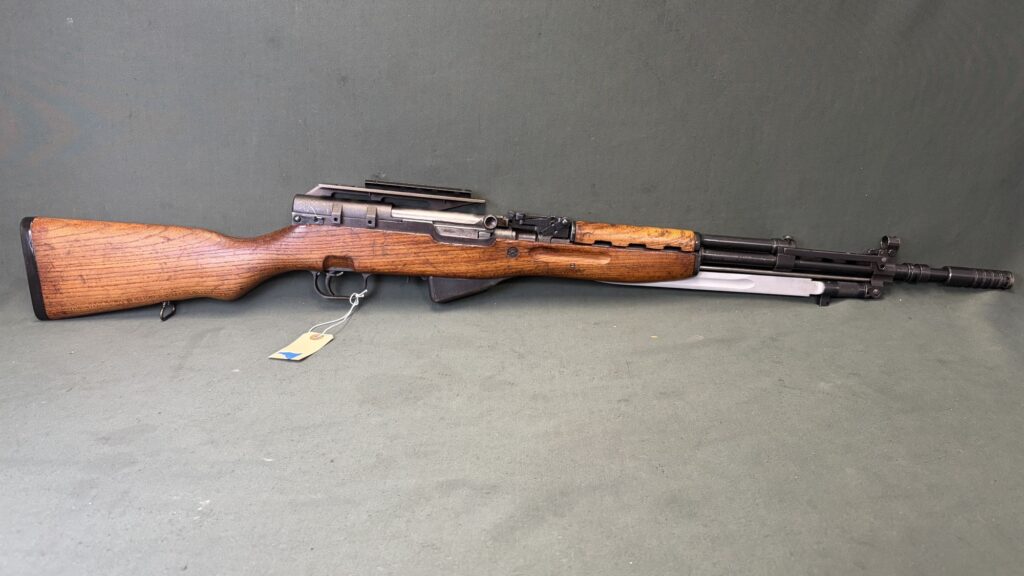 Yugoslavian Zastava SKS M59/66 7.62×39 Mirror Bore with Optic Mount$585.00
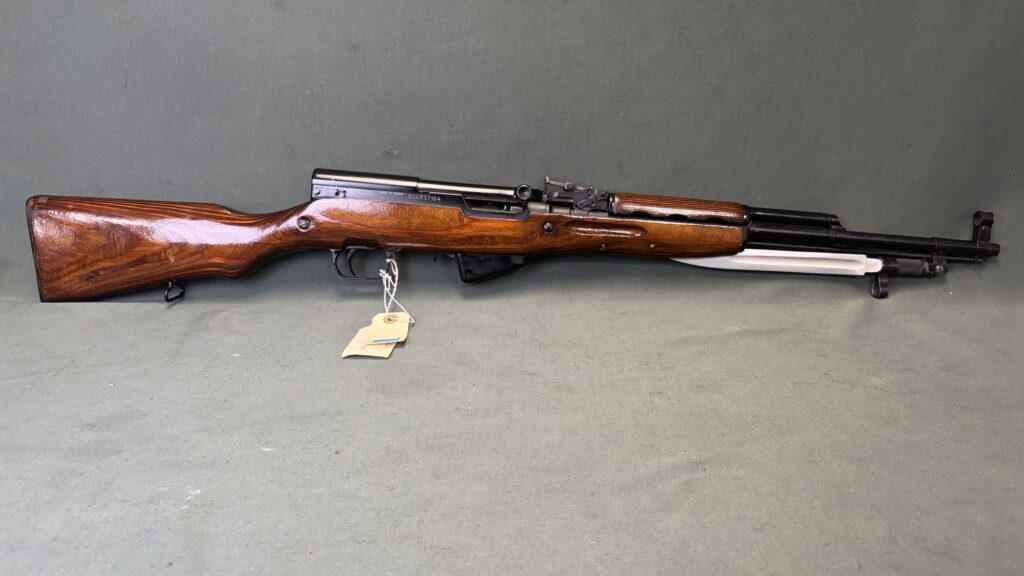 Late Tula Soviet SKS 7.62×39 Left Side Star Arsenal Refurbished Appears Unfired$969.00
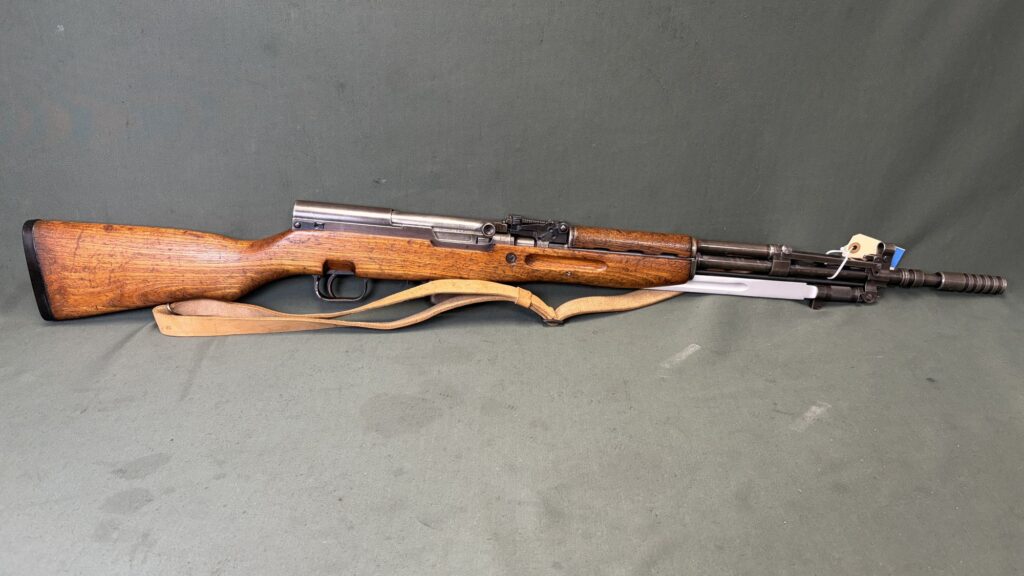 Yugoslav Zastava M59/66A1 SKS 7.62×39 Night Sights All Matching Mirror Bore With Bayonet$695.00
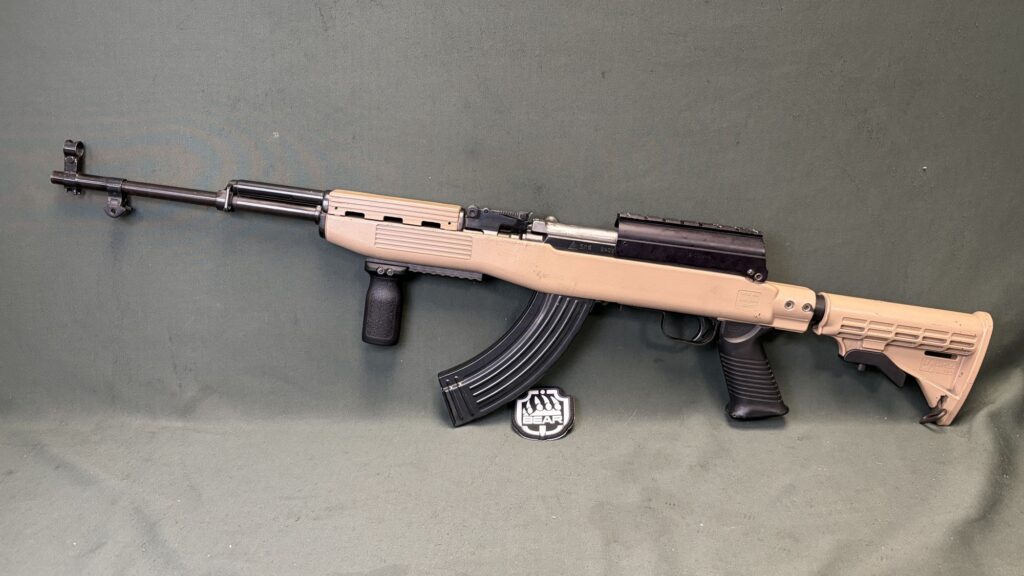 Chinese Type 56 SKS Factory 26 7.62×39 Tapco Stock 35 Round Magazine Optic Mount$589.00
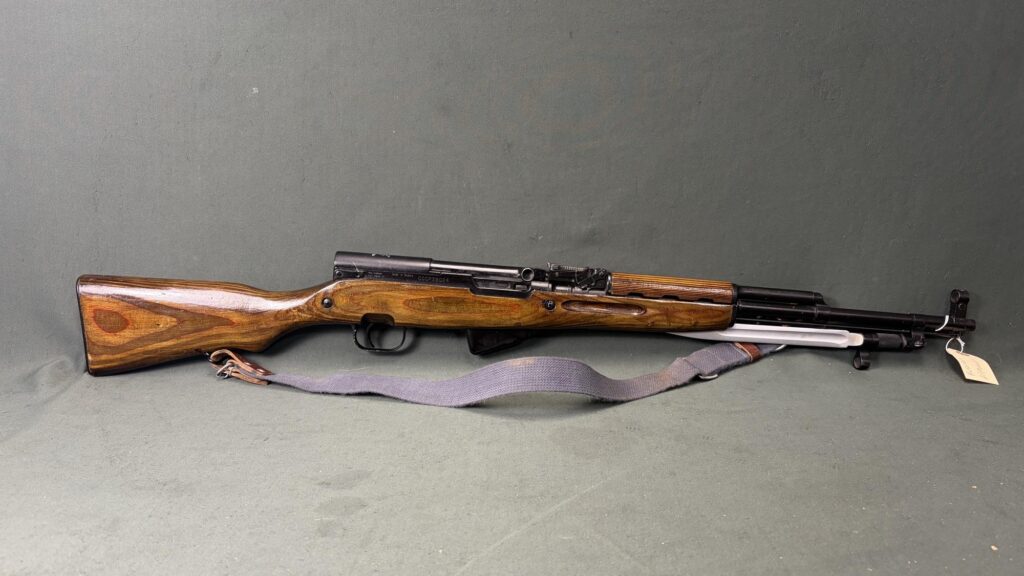 1950 Tula SKS 7.62×39 Arsenal Refurbished Matching Mirror Bore Blade Bayonet$975.00
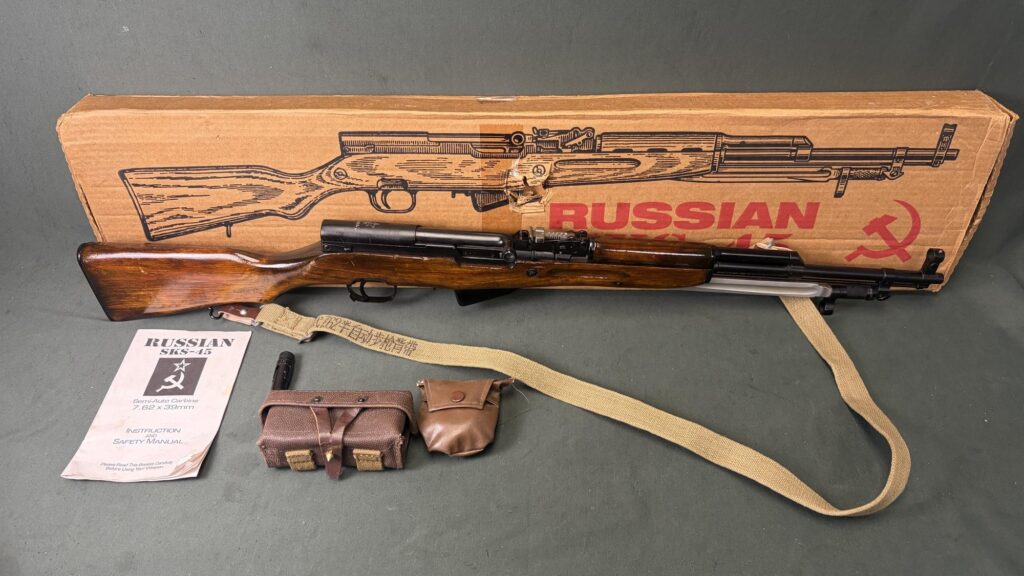 1950 Early Tula SKS 7.62×39 New Old Stock Factory Box and Accessories$1,085.00
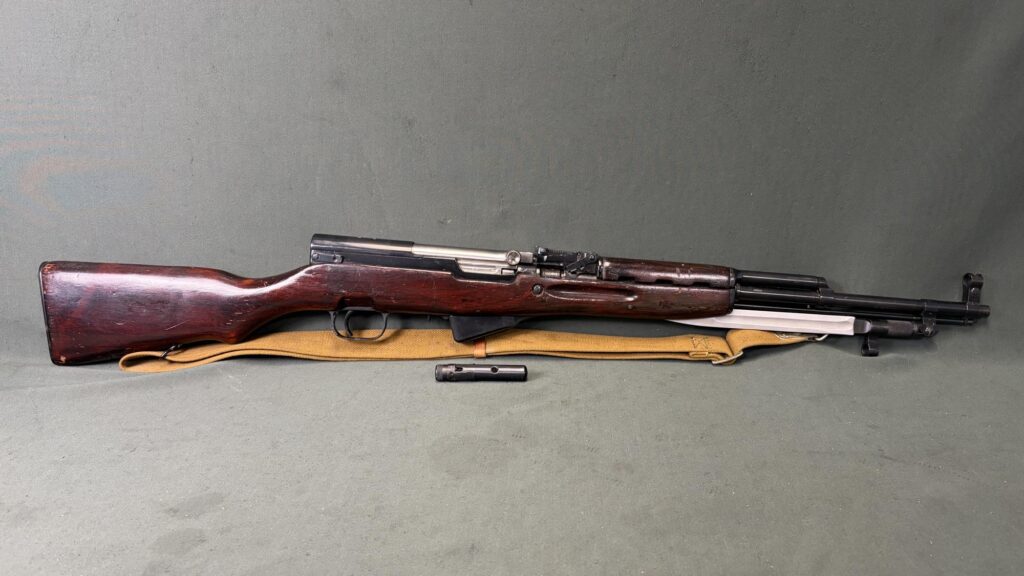 1954 Tula SKS 7.62×39 Arsenal Refurbished Matching Original Sling and Kit$929.00
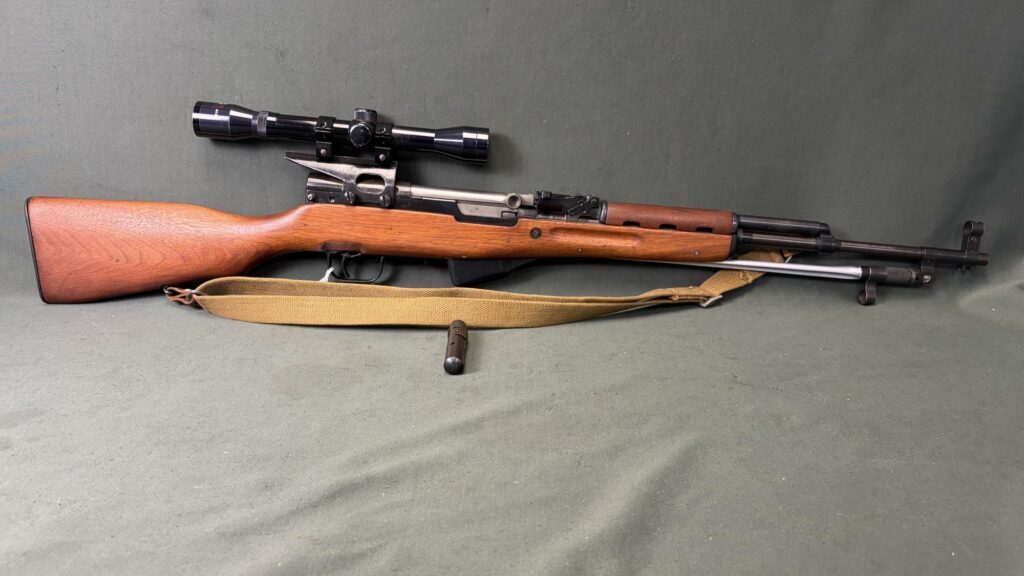 Chinese Type 56 SKS 7.62×39 Factory 0134 Matching$649.00
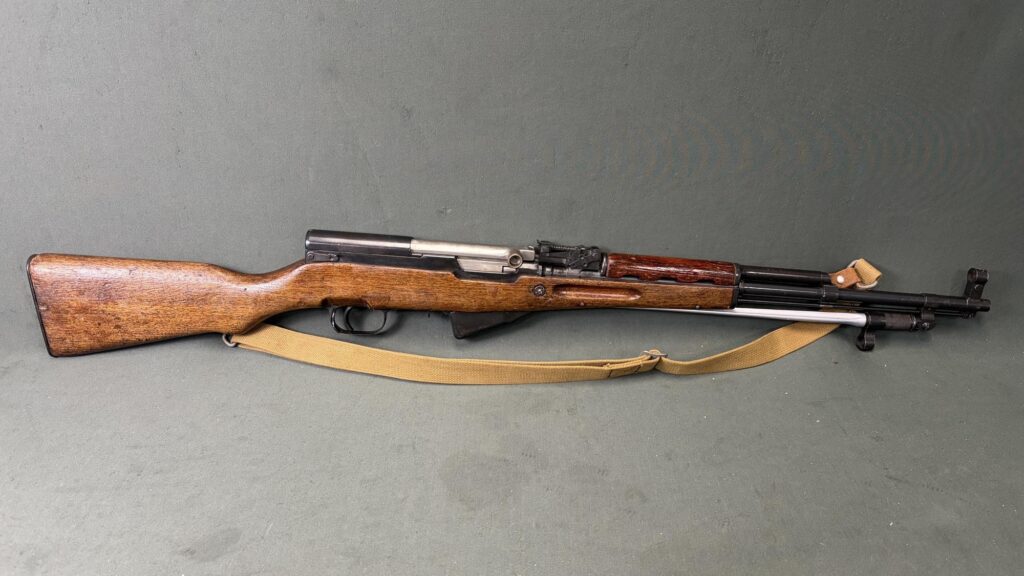 Chinese Type 56 SKS 7.62×39 Factory 206 All Matching Non Import Marked$745.00
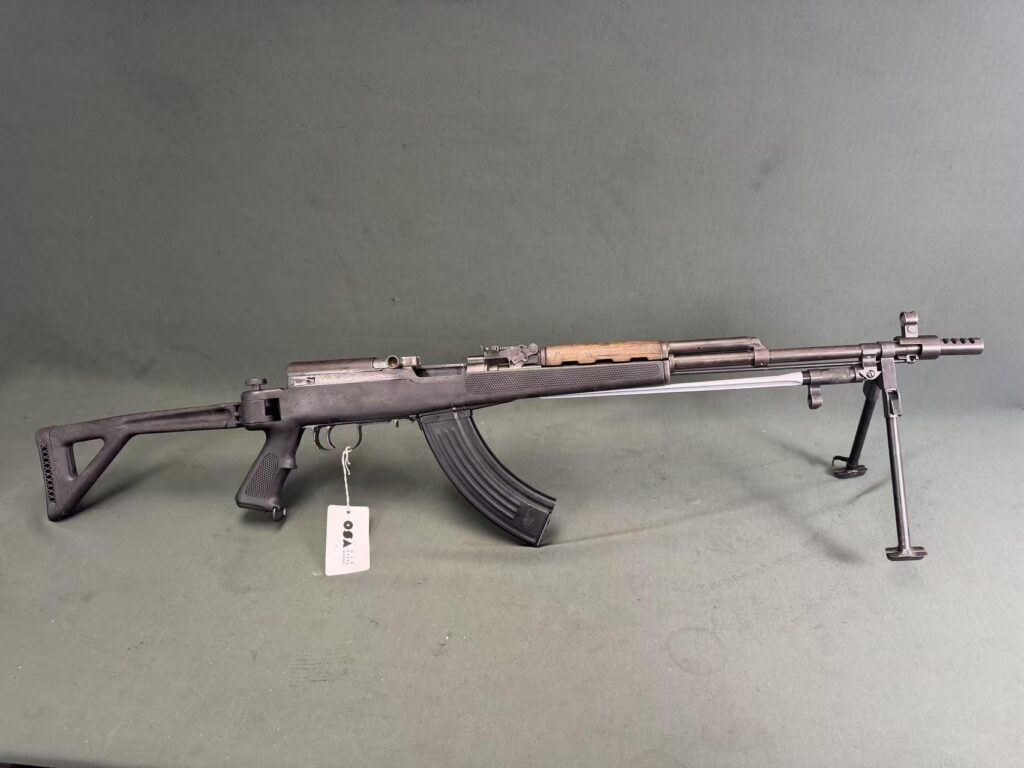 Ultra rare, pre-ban, tactical, “mil spec” type 56 sks$5,749.67
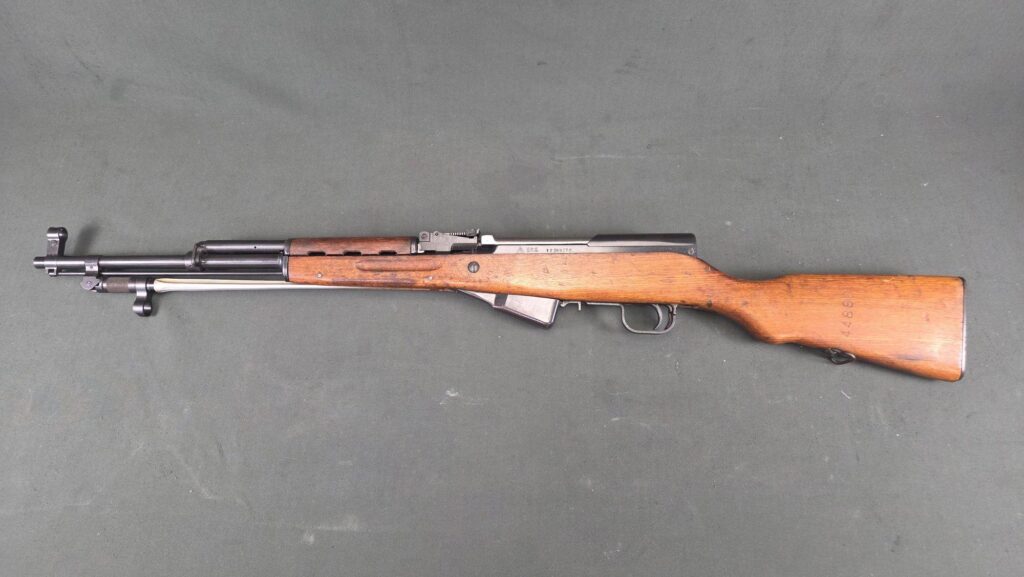 Chinese Type 56 SKS — Factory 26, 1968, Non-Import, All Matching$949.00
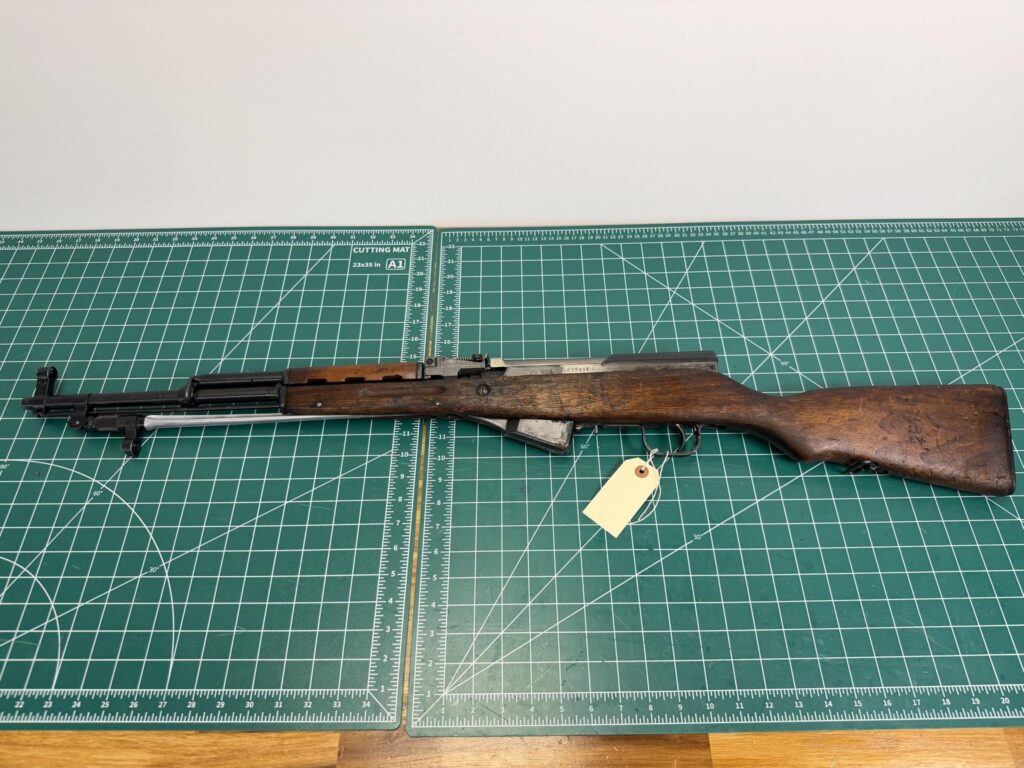 Chinese Type 56 SKS — Factory 26, 1970, Spike Bayonet$579.00